graham carey: The Inspiring Journey of an Irish Football Playmaker
Introduction
Graham Carey is one of those footballers whose career deserves far more attention than it often receives. While he may not always dominate global headlines, he has built a respected name through consistency, creativity, and a deep understanding of the game. Known for his left foot, attacking intelligence, and ability to influence matches from midfield, Carey has enjoyed a long and hardworking career across Scotland, England, and Bulgaria.
What makes Graham Carey especially interesting is not just the clubs he has represented, but the way he has adapted at every stage of his journey. From his early days in Irish football development systems to his time with Celtic, Plymouth Argyle, CSKA Sofia, St Johnstone, Livingston, and Dunfermline Athletic, he has shown resilience, quality, and professionalism. His story is not built on hype. It is built on performances, experience, and a genuine love for football.
This article explores the life, football journey, playing style, and lasting value of Graham Carey, giving a full picture of why he remains such a respected figure in the game.
Early Life and Background
A Dublin Talent with Strong Football Roots
Graham Carey was born on 20 May 1989 in Blanchardstown, Dublin, Ireland. From a young age, he showed the kind of technical ability and football intelligence that made him stand out. Like many talented Irish youngsters, he developed his early understanding of the game in a competitive football environment where discipline and technical growth were both important.
His youth development included time with Shelbourne, a club known for helping shape promising Irish talent. These early years were crucial in building the qualities that later became key parts of his game: control, vision, set-piece ability, and confidence in possession.
Moving Toward the Professional Level
As his talent became clearer, Carey made the move into a higher-level football structure when he joined Celtic. For a young Irish player, joining a club with Celtic’s history and expectations represented a major step. It placed him in a professional environment where technical standards were high and competition for places was intense.
Although breaking fully into the first team at a major club is never easy, this stage helped shape him into a mature and tactically aware footballer.
Career Beginnings at Celtic
Learning in a Demanding Environment
At Celtic, Graham Carey developed further through youth and reserve football. This period may not have made him a household name, but it gave him valuable lessons about professionalism, structure, and the demands of elite-level football. Training and competing at a club of that size requires strong mentality, patience, and self-belief.
For many players, early years at a big club can either build them or break them. In Carey’s case, it clearly helped build him. Even without becoming a long-term star there, he used the experience as a foundation for the rest of his career.
Loan Spells and First-Team Experience
To gain senior experience, Carey spent time away from Celtic and began learning the realities of professional football through different clubs and leagues. These moves helped him understand the physical and tactical side of the senior game. Instead of fading into the background, he gradually turned himself into a reliable and productive player.
That ability to keep growing through change became one of the defining themes of his career.
Building a Strong Professional Career
Life After Celtic
After his early development years, Graham Carey continued his football journey through clubs including St Mirren, Huddersfield Town, and Ross County. These experiences allowed him to play in different systems and competitive settings, helping him become a more complete player.
He was not just a winger who stayed wide or a midfielder who passed sideways. He developed into an attacking footballer who could create chances, score from distance, and influence the rhythm of a match. His left foot became one of his biggest assets, especially on free kicks, crosses, and long-range strikes.
A Player Who Kept Improving
Some footballers peak early and decline quickly. Carey’s journey was different. He seemed to improve through experience, learning how to read matches better and how to make his technical strengths count in important moments. That is one reason he remained valuable to clubs across many seasons.
Plymouth Argyle and a Defining Chapter
Becoming a Fan Favourite
One of the most important periods in the career of Graham Carey came with Plymouth Argyle. This chapter helped define his reputation as a quality attacking midfielder. At Plymouth, he became known for goals, assists, creativity, and leadership in forward areas.
His performances there brought him genuine appreciation from supporters. He was the kind of player who could lift a team with a moment of quality, whether through a clever pass, a dangerous set piece, or a stunning strike from distance. That combination of skill and impact made him one of the standout figures of his time at the club.
Why Plymouth Was So Important
Plymouth Argyle gave Carey the platform to show the full range of his football personality. He was not just surviving in professional football by this stage. He was thriving. He played with confidence, maturity, and influence, proving that persistence and growth can be just as important as early fame.
European Experience and New Challenges
The Move Abroad
Another major step in the story of Graham Carey was his move to CSKA Sofia. Playing abroad is a challenge that not every footballer handles well. It requires adjustment on and off the pitch, including new football culture, new expectations, and often a different style of play.
Carey handled that challenge impressively. His time in Bulgaria added an international dimension to his career and showed that his qualities could translate beyond British and Irish football.
Success in Bulgaria
At CSKA Sofia, he gained valuable experience and added silverware to his career by being part of a side that won the Bulgarian Cup. Playing in European competition also strengthened his professional profile. This stage confirmed that he was more than a good domestic player. He was a footballer capable of contributing in larger and more demanding settings.
Return to Scottish Football
Experience, Quality, and Leadership
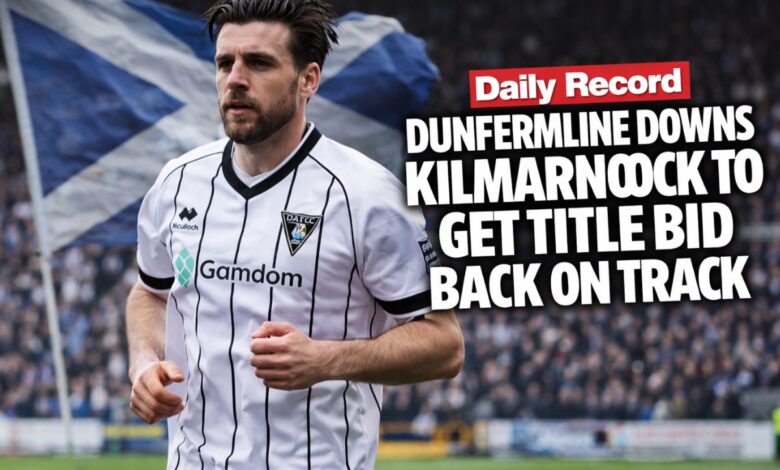
Later in his career, Graham Carey continued to play in Scotland with clubs such as St Johnstone, Livingston, and then Dunfermline Athletic on loan. These moves reflected the value of experience in modern football. Even as younger players emerge, clubs still need footballers who understand pressure, positioning, and how to influence games intelligently.
Carey brought exactly that. He offered technical quality, calmness on the ball, and the kind of experience that can help younger teammates as well.
Why Veteran Players Still Matter
Experienced players like Carey matter because football is not only about pace and power. It is also about decision-making, timing, and composure. A player who understands when to slow the game, when to speed it up, and how to create chances from difficult positions remains extremely useful.
Playing Style of Graham Carey
Creativity and Left-Foot Quality
The playing style of Graham Carey has always been built around technical quality. He is widely recognized as a left-sided attacking player or midfielder with strong delivery, clever movement, and an eye for goal. He can create opportunities from open play, contribute from dead-ball situations, and score memorable goals from distance.
Intelligence Over Flash
What makes Carey effective is that he does not rely only on flashy moves. His game is based on understanding space, reading teammates’ runs, and making smart choices in the final third. That makes him the kind of footballer coaches appreciate and teammates trust.
Quick Info About Graham Carey
Personal and Career Snapshot
Quick Facts
- Full Name: Graham Carey
- Date of Birth: 20 May 1989
- Place of Birth: Blanchardstown, Dublin, Ireland
- Nationality: Irish
- Position: Midfielder / Winger / Attacking Midfielder
- Preferred Foot: Left
- Youth Background: Shelbourne, Celtic
- Notable Clubs: Celtic, St Mirren, Huddersfield Town, Ross County, Plymouth Argyle, CSKA Sofia, St Johnstone, Livingston, Dunfermline Athletic
- Known For: Creativity, free kicks, assists, long-range goals, attacking intelligence
FAQs About Graham Carey
Who is Graham Carey?
Graham Carey is an Irish professional footballer known for his creative midfield play, left-footed delivery, and long career across Scottish, English, and Bulgarian football.
What position does Graham Carey play?
He mainly plays as an attacking midfielder, left midfielder, or winger, depending on the team’s system and tactical needs.
Where was Graham Carey born?
He was born in Blanchardstown, Dublin, Ireland.
Which club made Graham Carey especially popular?
His spell at Plymouth Argyle is widely seen as one of the most important and memorable phases of his career.
What makes Graham Carey a respected player?
He is respected for his technical skill, experience, set-piece ability, professional attitude, and his ability to contribute over many years in different leagues.