Jon Michael Lee Escape: Inside the Shocking Breakout That Sparked a National Manhunt
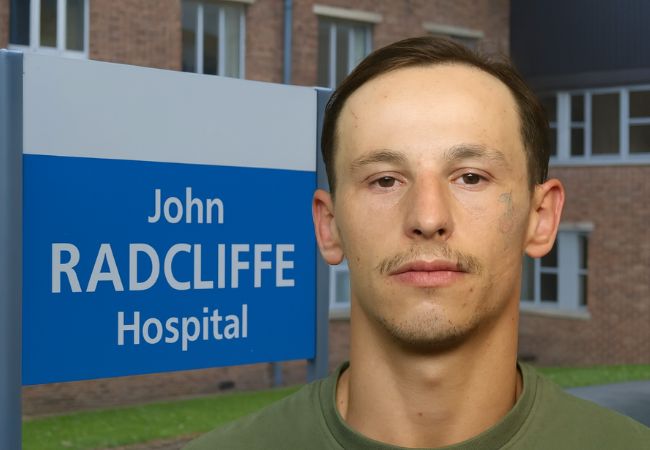
The jon michael lee escape quickly became one of the most talked-about incidents in recent memory, igniting public debate about custody safety, hospital security, and how easily a high-risk situation can spiral into a national concern. When an individual slips out of official custody, it does more than embarrass authorities—it unsettles communities, strains resources, and raises an urgent question: How did this happen, and how can it be prevented next time?
This in-depth article unpacks the escape from multiple angles: the circumstances that allowed it, the immediate response by law enforcement, the risks such incidents pose to the public, and the reforms experts say are needed. Whether you’re following the case out of concern, curiosity, or professional interest, this guide offers a clear, human-written analysis designed to explain what really matters.
Who Is Jon Michael Lee and Why the Case Matters
A profile that captured attention
Public interest surged because the name became synonymous with a rare failure in a tightly controlled system. When a person escapes custody, the story immediately taps into communal fears about personal safety and institutional reliability. People want answers not only about the individual, but also about the safeguards that were supposed to prevent such an event.
Why this incident stands out
Not all escapes are alike. Some occur during transport, others during court appearances, and a smaller number happen in medical settings. What set this case apart was the location and timing—factors that made the incident feel both unexpected and unsettling. That contrast intensified scrutiny and brought hospital-based security practices to the forefront.
How the Escape Unfolded
A moment-by-moment breakdown
While full operational details are often withheld during active investigations, the broad sequence typically includes a brief lapse: a door left unsecured, a distraction, or a staffing mismatch. In cases like the jon michael lee escape, authorities often review surveillance footage, access logs, and staff testimony to reconstruct the precise window when control was lost.
The critical vulnerability
Medical environments are designed to save lives, not detain people. Corridors are public, visitors come and go, and staff prioritize urgent care. When custody intersects with care, responsibility is shared between medical teams and police or security personnel. Any misalignment can open a narrow—but consequential—gap.
The National Manhunt Explained
What happens the minute someone escapes
Once an escape is confirmed, protocols switch to pursuit mode. Control rooms issue alerts, vehicle records are checked, and description bulletins are circulated. Digital systems broadcast updates instantly to patrol units and neighboring regions.
Why the public is asked to stay alert
Authorities frequently request tips from residents because the earliest sightings often come from everyday places—a bus stop, a shop, a café. These tips are filtered and verified before being acted upon, but they are invaluable for narrowing search areas and predicting movement patterns.
Technology in the field
Modern searches rely on more than patrol cars. Automated number-plate recognition, camera-network analysis, and data-driven mapping help teams track likely routes and safe houses. The goal is speed with safety: locate quickly, intervene carefully.
Risks and Public Safety Concerns
The emotional impact on communities
Escapes create a ripple of unease. Parents double-check doors, shopkeepers grow vigilant, and commuters scan faces. Even when the risk is low, perception matters. Authorities counter this with transparent updates and visible patrols to restore confidence.
The challenge for hospitals
Healthcare facilities walk a tightrope. They must preserve openness and compassion while ensuring protection. This case has renewed calls for dedicated custody wards, clear staff training, and consistent handover procedures between services.
Where Investigators Focus First
Human factors
Fatigue, shifting priorities, and communication breakdowns are often involved in high-pressure environments. Investigators assess who was on duty, what instructions were given, and whether procedures were followed as written.
Systems and structure
Were doors coded correctly? Did alarms function? Was the staffing level appropriate for the risk profile? Audits examine not just what failed, but why it failed—looking for patterns rather than isolated mistakes.
Accountability and learning
Findings commonly lead to recommendations, retraining, or disciplinary action where necessary. More importantly, they inform policy changes designed to minimize the chance of repetition.
What Experts Say Should Change Next
Clearer custody protocols in medical settings
Specialists advocate for unambiguous ownership: one lead authority at all times, with written triggers for escalation when conditions change.
Better training and drills
Simulation exercises prepare staff for the unexpected. When teams rehearse rare scenarios, response time improves and hesitation drops.
Infrastructure upgrades
Simple fixes—smart locks, access zoning, and monitored exits—can transform weak points into secure barriers without turning hospitals into fortresses.
Media Responsibility and Public Understanding
Separating facts from fear
High-profile cases travel fast, and speculation travels faster. Responsible coverage emphasizes verified updates and avoids inflaming anxiety.
How readers can stay informed
Rely on official statements and recognized news outlets. Treat social-media claims with caution, and remember that investigations evolve as evidence emerges.
Lessons for the Future
A shared responsibility
From policymakers to hospital administrators, everyone has a role in safer systems. The jon michael lee escape underscores that security is not a single door or guard—it’s a chain of decisions that must hold together.
Turning a crisis into reform
History shows that change often follows shock. Improved standards, smarter technology, and stronger coordination can all grow from one failure—if the will to learn is there.
Conclusion
The jon michael lee escape is more than a headline; it is a case study in how complex systems must work in harmony under pressure. Escapes are rare, but their consequences are loud. By examining what happened, how authorities responded, and what experts recommend, one truth stands out: prevention depends on clarity, training, and design. When those three align, communities are safer, institutions are stronger, and trust is rebuilt.