Susan Beuselinck: The Untold Story of Paul Nicholas’s First Wife
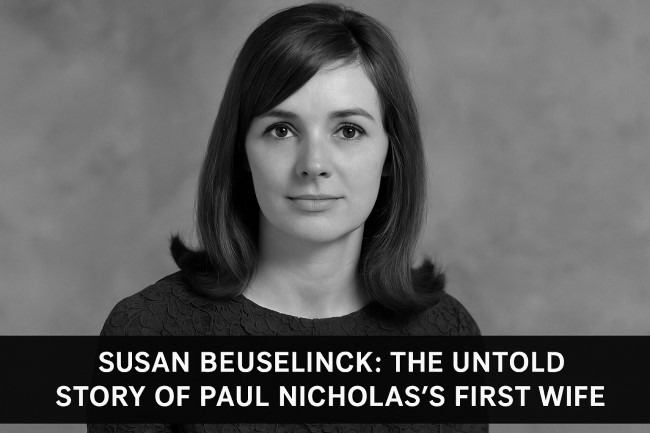
The name Susan Beuselinck may not be widely recognized in the entertainment world, yet her life remains deeply connected to British actor, singer, and producer Paul Nicholas. Known for his roles in Just Good Friends and West End musicals, Nicholas’s early personal life was marked by love, tragedy, and mystery — much of which revolves around Susan Beuselinck. Though her story is rarely documented, reconstructing it offers a poignant glimpse into the private world of a woman whose life ended far too soon.
Early Life and Background
Susan Beuselinck’s early years are largely undocumented in public archives. Her surname suggests Belgian heritage, possibly linked to families who settled in England in the post-war decades. While details about her birth, upbringing, and education are scarce, the context of her time indicates she grew up in mid-20th-century Britain — a period of social change, youth culture, and rising entertainment influence.
It is believed that Susan’s path crossed with Paul Nicholas in the 1960s, when he was beginning to shape his music and acting career. Their relationship quickly developed into a lifelong commitment, culminating in marriage.
Marriage to Paul Nicholas
A Union in the Spotlight
Paul Nicholas, whose birth name is Paul Oscar Beuselinck, married Susan Beuselinck in 1966. Interestingly, the two shared the same surname, hinting at either familial connection or name adoption through legal or artistic choice. Their marriage marked the beginning of Paul’s rise to prominence in British entertainment.
Susan was known to be a strong, supportive presence behind Paul’s emerging stardom. She remained private, preferring life away from the cameras. Her influence, however, helped stabilize Paul’s early years as he balanced stage performances, studio recordings, and acting roles.
Family and Private Life
The couple maintained a relatively low-profile lifestyle compared to many in show business. Their marriage reflected a traditional structure — close family values and loyalty amid the changing moral and cultural landscape of the 1960s.
While no official records confirm whether they had children, many accounts describe their relationship as one built on genuine affection and mutual respect. Friends and contemporaries of the time remember Susan as soft-spoken, elegant, and deeply caring.
Tragic Death
The 1977 Accident
Tragedy struck in 1977 when Susan Beuselinck reportedly died in a traffic collision. She was still young — likely in her thirties — and her sudden passing left a profound mark on Paul Nicholas’s life. The loss was devastating, occurring during a period when Nicholas’s career was flourishing on both television and stage.
Susan’s death remains one of the most private and painful chapters of Nicholas’s biography. Despite his later marriages and successes, he has spoken only briefly about his early personal loss, preferring to keep those memories private out of respect.
Aftermath and Legacy
Following her passing, Paul Nicholas continued his artistic journey, starring in hit productions like Jesus Christ Superstar, Grease, and Cats. Yet those who knew him personally noted that the tragedy left a lasting emotional impression.
Susan Beuselinck’s story, while seldom told, is a quiet reminder of the unseen lives that shape public figures. Her presence and support in Paul’s foundational years were instrumental in helping him establish the career that would later define British entertainment in the 1970s and 1980s.
Identity Confusion: Beuselinck or Gee?
One of the ongoing mysteries surrounding Susan is her name. Some records list her as Susan Gee, while others refer to Susan Beuselinck. This has led to confusion among researchers and fans attempting to trace her life story.
The most accepted version, found in genealogical archives, identifies her as Susan Beuselinck — a name she may have used both legally and socially. However, given Paul Nicholas’s birth surname was also Beuselinck, some biographers suggest she may have adopted the name after marriage or that her maiden name was Gee. The lack of consistent public documentation keeps this part of her biography unresolved.
A Glimpse into 1960s Britain
Cultural Context
To understand Susan Beuselinck’s life, it’s essential to consider the social fabric of Britain in the 1960s. This was an era defined by transformation — the rise of pop music, the liberation of women, and the redefinition of fame.
Susan’s life intertwined with this cultural shift. Her husband, Paul Nicholas, moved in circles that included musicians, actors, and theatre professionals. Behind the glamour, however, families like theirs experienced the same challenges as others — balancing ambition, privacy, and stability in a fast-changing society.
Role of Women Behind the Scenes
Women like Susan often remained in the background, their stories overshadowed by their husbands’ fame. Yet, their emotional and moral support often formed the backbone of success. Susan’s quiet strength, loyalty, and compassion exemplified the many unsung partners of public figures whose contributions went largely unnoticed.
Remembering Susan Beuselinck
Today, Susan Beuselinck is remembered primarily in connection with Paul Nicholas, but her life deserves individual recognition. Though brief, her story resonates as one of love, tragedy, and silent influence.
Her death reminds us of the fragility of life, while her memory continues through the legacy of the man she supported during his formative years. Even without fame or public attention, Susan Beuselinck’s name endures in the personal history of British entertainment — a quiet chapter in a larger story.
Lessons from Her Life
Susan’s story highlights several timeless lessons:
-
Behind every public success is often private sacrifice.
-
Personal love stories can shape professional destinies.
-
Life’s brevity makes kindness, loyalty, and sincerity invaluable.
Her quiet presence and untimely death remind us that not all influential figures stand in the spotlight — some shape lives quietly, through love and devotion.
Conclusion
Susan Beuselinck’s name may appear only briefly in historical and entertainment records, but her life carries emotional weight. As Paul Nicholas’s first wife, her story is woven into the early tapestry of British pop and theatre culture. Beyond the glamour and fame, she represents countless individuals whose influence lies in love, support, and silent resilience.