Kennedy Kate: The Remarkable Life of Dr. Kate Kennedy, Academic and Broadcaster
Introduction: Why “Kennedy Kate” Is a Name to Know
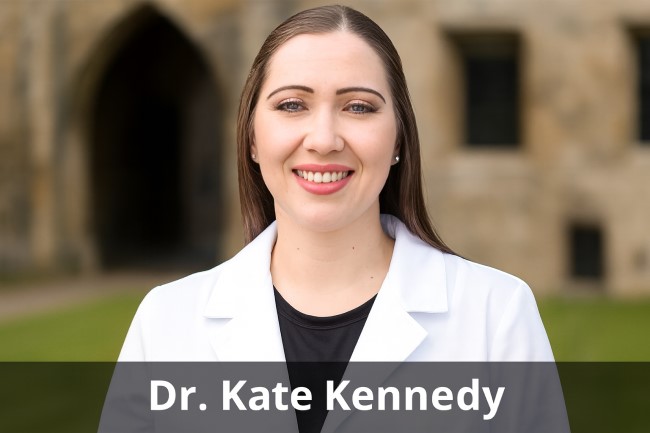
When people search for kennedy kate, they are often looking to understand the woman behind one of the most distinctive voices linking literature, music, and history in the UK. Dr. Kate Kennedy is an academic whose career has crossed boundaries between scholarship and broadcasting, bringing serious research to a wide public in a way that feels warm, accessible, and human. Known equally for her clarity as a speaker and her depth as a historian, she has become one of the most respected interpreters of culture through sound, story, and scholarship.
This article explores the life, education, career, and influence of Dr. Kate Kennedy, often searched simply as kate kennedy, and explains why her work continues to shape the modern understanding of literature, memory, and music.
Early Life and Education
Growing Up with Music and Books
Dr. Kate Kennedy was born in Bristol, England, into a household where both books and music were valued. From a young age, she showed an unusual sensitivity to sound, rhythm, and language. While many children discover their interests later in life, Kennedy was already immersed in classical music and literature during her school years.
Training as a Musician
She studied cello seriously from an early stage, receiving formal training at a specialist music school. This hands-on relationship with music would later become vital in shaping how she interprets written texts, especially poetry and song. To Kennedy, written words are never silent; they are voices waiting to be heard.
University and Academic Foundations
She later studied both English and Music at a leading university, an uncommon combination that reflects her ability to bridge two disciplines that are often kept apart. After completing postgraduate work, she pursued doctoral research focusing on the life and work of the composer-poet Ivor Gurney. This research launched her career into the interconnected worlds of literary history and musical biography.
Academic Career
A Scholar of Memory and Meaning
Dr. Kennedy’s work focuses on how people remember the past through culture. Her research centers on music, war, poetry, and biography, asking deep questions:
-
How does music preserve human emotion?
-
Can sound carry memory?
-
What does literature tell us about survival in wartime?
-
How do personal stories become history?
She has become especially well known for her work on World War I artists and writers, revealing the emotional cost of war not just through facts but through voices and song.
Leadership in Life-Writing
One of her most important roles has been leading a major university center dedicated to biography and autobiography, known in academic circles as “life-writing.” Here, she supports writers, historians, and scholars who work to preserve personal stories and make them meaningful for wider audiences.
Her leadership philosophy blends intellectual seriousness with creative openness. Researchers under her guidance are encouraged to think about storytelling not as entertainment, but as a form of truth.
Teaching with Passion
Dr. Kate Kennedy is also known as an inspiring teacher. Students describe her lectures as thoughtful, emotionally intelligent, and deeply engaging. She brings historical figures to life not by simply listing achievements but by exploring fears, ambitions, and human struggles.
Rather than presenting history as distant and abstract, she helps students experience it as lived reality.
Broadcasting and Media Work
Giving History a Voice
Outside academia, Kennedy has built a respected broadcasting career. Her work in radio and documentary production has introduced thousands of listeners to forgotten artists and overlooked composers. She has a unique style: calm, reflective, and poetic, yet grounded in rigorous research.
Storytelling Through Sound
One of her greatest strengths is revealing the emotional power of sound. Whether she is describing early recordings of music or retelling the lives of obscure musicians, she allows sound to do part of the storytelling. As a trained cellist, she understands how emotion moves through sound, and she translates this feeling into speech with rare sensitivity.
Connecting Past and Present
Kennedy’s programs frequently draw connections between past events and contemporary life. When she tells a story about a soldier-composer from World War I, she also speaks about trauma, recovery, and artistic resilience, making history deeply relevant today.
Major Books and Publications
Exploring War, Art, and Memory
Dr. Kennedy has authored and edited numerous books exploring the cultural memory of war. Her writings are widely respected for their humanity as well as their scholarship. Rather than treating literature as isolated art, she places it within real human experience.
Biography as an Art Form
One of her greatest contributions to modern scholarship is restoring biography as a serious academic discipline. She treats personal stories not as gossip or entertainment, but as historical sources worthy of respect.
Her biography of composer and poet Ivor Gurney is widely praised for its emotional depth and careful research. Instead of idealizing her subject, she presents him as painfully human — brilliant, troubled, inspired, and vulnerable.
Writing That Feels Alive
Unlike many academic authors, Kennedy writes with warmth. Her books are not dry or technical; they are living worlds. Readers often describe feeling emotionally connected to the people in her pages, as if they were acquaintances rather than historical figures.
This rare combination — scholarly accuracy and emotional storytelling — sets her apart.
Influence and Cultural Impact
A Guardian of Forgotten Voices
Much of Dr. Kate Kennedy’s work focuses on people history almost forgot. Musicians whose recordings faded, poets whose work was overshadowed by war, and women artists whose contributions went unnoticed.
By restoring these voices, she reshapes cultural memory.
Champion of Women in Culture
She has also become a strong advocate for recognizing women’s artistic contributions. Many of her broadcasts and academic projects highlight female composers, performers, and writers whose work deserves greater recognition.
Shaping the Next Generation
As a mentor and teacher, Kennedy is helping shape a new generation of scholars who write with compassion. Her influence is visible not just in her own work, but in the work of those she guides.
Personal Life and Character
A Quiet Public Figure
Although publicly visible, Dr. Kate Kennedy maintains a private personal life. This balance reflects her personality: thoughtful, focused, and grounded.
A Life Between Music and Thought
Her daily life revolves around writing, research, teaching, and music. Few scholars truly live their subject; Kennedy does. Her relationship with music is lifelong, not academic, and this authenticity gives her voice great authority.
Integrity and Intellectual Honesty
What stands out most about her work is honesty. She never simplifies a story just to make it easy. Instead, she embraces complexity, helping others understand that real history is rarely neat or comfortable.
Why “Kate Kennedy” Continues to Matter
The reason people continue to search for kate kennedy or kennedy kate is clear. She represents something increasingly rare: scholarship that is intelligent, emotional, and accessible all at once.
She stands at a crossroads where:
-
Music meets memory
-
Literature meets life
-
History meets humanity
Her career proves that academic work does not have to be remote. It can sing, whisper, mourn, and heal.
Final Thoughts
Dr. Kate Kennedy is not just an academic or broadcaster. She is a cultural translator — one who takes voices from the past and gives them meaning in the present. Her work reminds us that behind every historical event is a human story, and behind every forgotten artist is a voice waiting to be heard again.