eli lilly mounjaro uk price hike: What It Means for Patients and the Healthcare Market
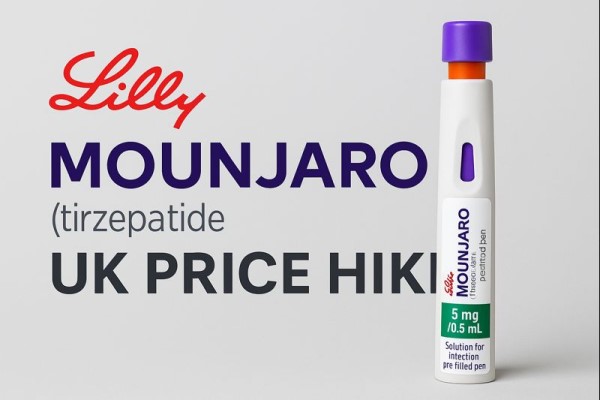
The eli lilly mounjaro uk price hike has sparked widespread debate across the UK healthcare sector, private clinics, pharmacies, and among patients using the drug for diabetes and weight management. As demand for GLP-1–based medicines continues to rise globally, this sharp price adjustment has raised important questions about affordability, access, and the future of innovative medicines in the UK.
This in-depth article explains what happened, why it happened, who is affected, and what it means for the UK pharmaceutical and healthcare landscape.
Understanding Mounjaro and Its Growing Popularity
What Is Mounjaro?
Mounjaro is a prescription injectable medicine developed by Eli Lilly. Its active ingredient, tirzepatide, works on dual metabolic pathways that regulate blood sugar and appetite. Initially approved for type 2 diabetes, it has also gained strong attention for its role in medical weight management.
Why Demand Has Exploded in the UK
In the UK, Mounjaro quickly became one of the most sought-after treatments because of:
-
Strong clinical outcomes in blood glucose control
-
Significant average weight loss results
-
Growing awareness of obesity as a chronic medical condition
-
High demand through private clinics due to limited NHS eligibility
This surge in demand created a unique pricing and supply challenge for manufacturers.
eli lilly mounjaro uk price hike – What Exactly Changed?
Scale of the Price Increase
The eli lilly mounjaro uk price hike involves a dramatic rise in the official UK list price. Reports indicate that the increase reaches up to around 170% for some dosage levels, making it one of the most significant pharmaceutical price adjustments seen recently in the UK private healthcare market.
For higher-dose monthly treatments, the cost has moved from a relatively low introductory level to a price point that now aligns with higher European benchmarks.
When the Increase Takes Effect
The revised pricing structure is scheduled to apply from September 2025, meaning private providers, clinics, and patients will face the new prices for prescriptions issued after that point.
Why Eli Lilly Increased Mounjaro Prices in the UK
Initial UK Pricing Strategy
When Mounjaro was first launched in the UK, Eli Lilly deliberately set the price lower than in many other European countries. This strategy aimed to:
-
Support early market entry
-
Encourage faster adoption
-
Facilitate NHS evaluation and access discussions
However, this made the UK an outlier compared to international pricing standards.
Alignment With European Markets
According to company statements, the price hike is designed to bring UK list prices closer to those in comparable European markets. From a commercial perspective, maintaining significantly lower UK prices created concerns around:
-
Parallel trade risks
-
Stockpiling by private providers
-
Supply distortions across borders
Global Pharmaceutical Pricing Pressures
The move also reflects broader global pressures on pharmaceutical companies, including:
-
Rising manufacturing and distribution costs
-
Increasing demand for innovative metabolic treatments
-
Political scrutiny over international drug pricing differences
The UK price hike must be understood within this wider global context.
Impact on Patients in the UK
Private Patients
Private patients are the most directly affected by the eli lilly mounjaro uk price hike. Many individuals using Mounjaro for weight management through private clinics may experience:
-
Substantially higher monthly treatment costs
-
Reduced affordability for long-term use
-
Potential discontinuation due to financial constraints
This may disproportionately affect patients who do not meet NHS eligibility criteria.
NHS Patients
For patients receiving Mounjaro through the NHS:
-
Direct out-of-pocket costs are not expected to change
-
NHS pricing operates under separate negotiated agreements
-
Access remains limited by strict clinical eligibility rules
However, concerns remain that higher list prices could influence future NHS negotiations.
Reaction From Pharmacies and Clinics
Shock Across the Private Sector
Many UK pharmacists and private healthcare providers have described the price hike as sudden and disruptive. Clinics offering structured weight-loss programmes may need to:
-
Reprice treatment packages
-
Review patient contracts
-
Improve transparency around long-term costs
Temporary Supply Adjustments
Ahead of the price hike, Eli Lilly temporarily paused some UK orders to prevent bulk purchasing and stockpiling. This created short-term availability issues for certain providers.
Wider Implications for the UK Healthcare Market
Access and Health Inequality
The eli lilly mounjaro uk price hike raises concerns about health inequality, as innovative treatments risk becoming accessible mainly to higher-income groups when delivered privately.
Impact on Weight-Management Services
The price rise may:
-
Slow the growth of private weight-management clinics
-
Increase interest in alternative GLP-1 medicines
-
Push more patients toward lifestyle-only interventions
Precedent for Future Drug Pricing
This decision sets an important precedent for how pharmaceutical companies may price high-demand innovative medicines in the UK going forward.
Comparison With Other Countries
UK Versus Europe
Even after the hike, UK prices may still sit slightly below those in some European countries, but the gap has narrowed significantly.
UK Versus the United States
US prices for similar treatments remain substantially higher, reinforcing the UK’s position as a comparatively lower-cost market overall despite the increase.
What Patients Can Do Now
Review Treatment Options
Patients should speak with healthcare providers about:
-
Dosage optimisation
-
Alternative approved treatments
-
Long-term affordability planning
Stay Informed
Understanding pricing structures and policy changes is essential, especially for those relying on private prescriptions.
Final Thoughts
The eli lilly mounjaro uk price hike marks a significant turning point in how innovative metabolic medicines are priced in the UK. While Eli Lilly’s decision reflects global market alignment and supply concerns, it also highlights ongoing tensions between innovation, affordability, and equitable access to healthcare.
For patients, clinicians, and policymakers alike, this development underscores the urgent need for sustainable solutions that balance pharmaceutical innovation with public health priorities.