Dr Robert McIntyre: The Doctor Who Shaped Scottish National Politics
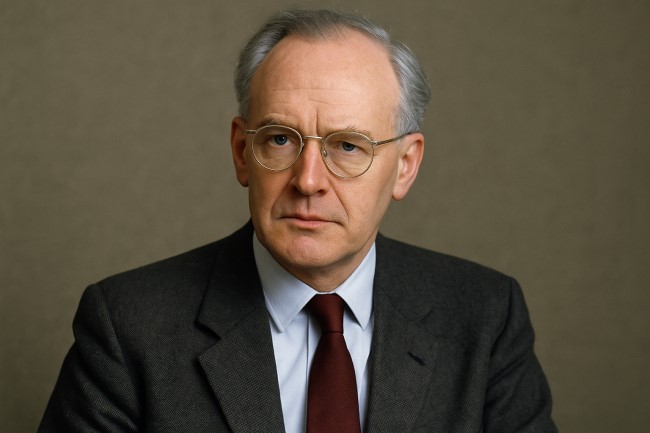
Dr Robert McIntyre is remembered as one of the most influential pioneers in modern Scottish political history. While he built a respected career in medicine, it was his courage in politics that made him a national figure. At a time when Scottish self-government was regarded as unrealistic by many, McIntyre stood firm in his belief that Scotland deserved political independence and stronger control over its own public services. He did not seek fame or popularity; instead, he worked steadily behind the scenes, building a political movement that would eventually reshape Scotland’s future.
Known affectionately as “Doc Mac,” McIntyre’s legacy extends beyond party politics. He represented perseverance, public service, and commitment to democratic ideals. His journey from medical practice to parliamentary success demonstrates how professional dedication and political conviction can intersect to create long-lasting change.
Early Life and Education
Childhood and Background
Dr Robert McIntyre was born in Edinburgh in 1913 at a time when Scotland was facing industrial change and social uncertainty. Growing up during this period helped shape his outlook on inequality, opportunity, and national identity. Even from a young age, he showed a strong interest in academics and public affairs.
Medical Training
McIntyre studied medicine at two of Scotland’s most prestigious universities, completing his education at the University of Glasgow. His training prepared him not only as a clinician but also as a problem-solver. These analytical skills later influenced his political mindset, where he approached social and constitutional issues with a methodical and practical attitude.
Studying medicine also gave him a deep understanding of human struggle, health inequality, and the importance of accessible healthcare. These experiences planted the seeds for his belief that political decisions directly affect quality of life.
A Life in Medicine
General Practice and Community Care
After qualifying as a doctor, McIntyre entered general practice and worked closely with ordinary communities. He treated patients across social classes, witnessing firsthand how poverty and political neglect created suffering.
Specialisation in Chest Medicine
He later specialised in chest diseases at a time when illnesses such as tuberculosis and pneumonia were widespread. His medical work earned him respect and trust among colleagues and patients alike.
Medicine’s Influence on His Politics
McIntyre’s medical career did not run separately from his political beliefs; instead, each strengthened the other. He believed healthcare was not only a medical issue but a political one. Poor housing, weak infrastructure, and underinvestment were enemies of public health. His political ideas were grounded in real situations he encountered every day as a doctor.
Political Awakening
Discovering Scottish Nationalism
During his youth, McIntyre became increasingly aware of political imbalance between Scotland and central government. He joined the Scottish National Party in its early development stages when it was still seen as a minor movement.
Commitment Over Comfort
He could easily have pursued a comfortable life solely in medicine, yet he chose activism. At personal and professional risk, he spoke openly for Scottish autonomy, even when the idea carried little mainstream support.
Building a Political Voice
McIntyre quickly became one of the most committed campaigners in the nationalist movement. His speeches were emotionally strong but intellectually grounded, blending historical identity with practical concerns.
First SNP Member of Parliament
Election Victory
In 1945, McIntyre achieved something no one else had. He won the Motherwell by-election, becoming the first Scottish National Party politician ever elected to the British parliament.
Why It Mattered
This moment changed everything. It proved that Scottish nationalism was not merely theory. It had become a political force capable of influencing elections.
Lasting Symbolism
Even though his tenure in parliament was brief, the message was loud and clear: Scotland’s political future could change. For the SNP, his election victory became a turning point from protest movement to political contender.
Leadership Within the SNP
Becoming Party Leader
After his time in parliament, McIntyre served as Leader of the Scottish National Party for nearly a decade. He later became party President, holding that role for more than twenty years.
Rebuilding the Party
Under his leadership, the SNP developed formal structures, professional campaigning, and a national presence. He worked tirelessly to transform the SNP into a serious political organisation.
Mentorship and Influence
McIntyre also became a mentor to younger party members, encouraging disciplined thinking and long-term strategy. Many later leaders acknowledged his influence on their careers.
Political Philosophy and Beliefs
Core Principles
Dr Robert McIntyre believed independence was not about division but progress. His philosophy focused on:
-
Better healthcare
-
Fair taxation
-
National responsibility
-
Democratic accountability
Independence as a Practical Goal
He did not treat independence as symbolism. For him, it was a policy pathway to allow Scotland to improve social services and create stable governance.
Public Service Over Power
Unlike many politicians, McIntyre did not seek power for personal recognition. He viewed leadership as responsibility, not authority.
Personal Character and Leadership Style
Humble and Honest
Colleagues described him as calm, modest, and deeply principled. Despite holding leadership positions, he remained approachable.
Trusted by the Public
As a doctor, he served people when they were at their weakest moments. As a politician, he carried that same compassion into public service.
Loyalty to Scotland
Everything he did politically centred on improving life for ordinary people. This dedication earned him respect even from political opponents.
Death and Historical Impact
Dr Robert McIntyre died in 1998 at the age of 85. His passing was widely acknowledged as the loss of a founding figure in modern Scottish politics.
Today, he is regarded as one of the architects who turned Scottish independence from an idea into a movement. Modern success of the SNP owes much to the groundwork he laid decades earlier.
Why Dr Robert McIntyre Still Matters
Scotland’s changing political landscape did not happen overnight. It was built on sacrifice, leadership, and unwavering belief. McIntyre provided all three.
He remains a powerful example of how one individual can influence national direction without wealth, fame, or political inheritance. His life shows that change begins with conviction and grows with dedication.