British Man Shocked by UK Beaches: The Ugly Truth Beneath Britain’s Coastline
A First Visit That Turned into a Wake-Up Call
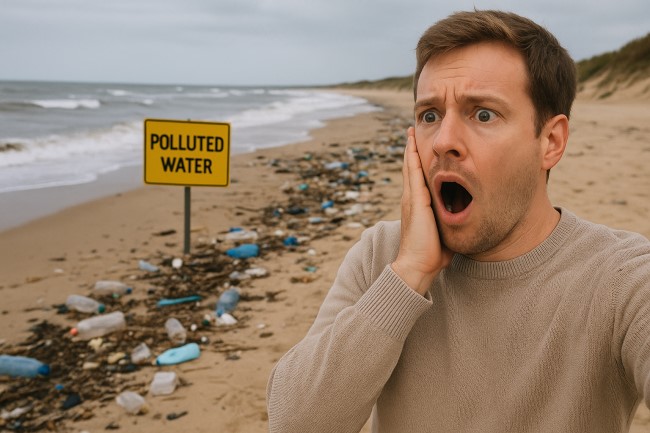
When a british man shocked by uk beaches story began circulating online, many assumed it was yet another exaggerated travel rant. But what emerged from his experience revealed a deeper and more uncomfortable reality. He arrived expecting postcard-perfect shores, salty sea breezes, and family-friendly sand. Instead, he found warning signs, bad smells after rainfall, and stretches of shoreline dotted with debris. What he witnessed wasn’t just an off day at the seaside — it was a snapshot of a national crisis hiding in plain sight.
His reaction mirrors a growing public realisation: Britain’s coastline is beautiful from a distance, yet fragile up close. The issue isn’t merely trash on the tideline; it’s a network of problems — sewage overflow, plastic waste, industrial discharge, and declining marine life — all converging on the nation’s beaches.
Sewage at the Shore — A Problem That Refuses to Go Away
When Rain Means Danger
For many UK beaches, rain has become a red flag. Heavy downpours can overwhelm ageing sewage systems, leading to untreated wastewater spilling into rivers and seas. Swimmers and surfers are often advised to stay away for days after storms, a practice that has become disturbingly normalised.
Health Risks Nobody Wants to Talk About
Exposure to polluted sea water can lead to stomach infections, skin rashes, eye irritation, and respiratory problems. Parents worry when children play near tidal pools. Dog walkers hesitate as pets fall ill after contact with the water. These personal experiences are echoed by environmental scientists and campaigners who warn that public health is being compromised.
Several watchdog groups, including Surfers Against Sewage, have led awareness campaigns exposing how treatment failures and infrastructure neglect are putting coastal communities at risk. Government agencies like the Environment Agency regularly issue bathing-water warnings, but many critics argue that public alerts are reactive rather than preventive.
Plastic Everywhere — From Bottle Tops to Microbeads
The Tide That Never Washes Away
Plastic waste has become a defining feature of modern beaches. Bottles, wrappers, fishing lines, and mysterious fragments are now as common as shells. While beach-clean volunteers work tirelessly, the volume of incoming waste often outpaces removal.
The Invisible Threat Beneath Your Feet
Microplastics — tiny fragments broken down from larger items — are now embedded in sand and floating invisibly in the water. They enter the food chain via fish and shellfish, ultimately landing on dinner plates. The problem is no longer aesthetic; it is biological.
Organisations such as the Marine Conservation Society push for sweeping reforms in waste management, packaging policy, and consumer responsibility. Their surveys repeatedly show that even “clean” beaches often hide thousands of plastic particles beneath the surface.
Wildlife Paying the Price
Seabirds in Trouble
Seabirds mistake plastic for food and feed it to their young. The results are often fatal. Stomachs filled with fragments and bottle caps prevent proper nutrition, leading to slow starvation.
Marine Life Under Siege
Fish and marine mammals are not spared. Entangled seals, poisoned crustaceans, and coral degradation paint a bleak picture. What washes ashore is only a fraction of the damage happening underwater.
The beaches may still look charming from afar, but their ecosystems are quietly unraveling.
Infrastructure Failing a Nation
An Old System in a Modern World
Much of Britain’s wastewater network was built decades ago. Urban expansion, climate change, and population growth have overwhelmed these systems. Investment has lagged while demand has surged.
Water companies have come under intense scrutiny. Some — including Thames Water — face strong public criticism and legal pressure. People want transparency, accountability, and action.
Is Profit Before People?
A major question hangs in the air: should essential services be profit-driven? Campaigners argue that environmental protection should outweigh shareholder dividends. Trust has eroded, and consumers demand reform.
The Emotional Impact on Visitors
Disappointment That Cuts Deep
For tourists and locals alike, beaches represent escape, nostalgia, and peace. To arrive and find polluted shorelines is jarring. What should be relaxing becomes distressing.
A Loss of Pride
Coastal towns once celebrated for natural beauty now battle reputational damage. Tourism declines not because beaches lose their appeal, but because safety and cleanliness have been brought into question.
Signs of Change — And Why Hope Still Matters
Grassroots Action
Local communities organise beach clean-ups, educational campaigns, and citizen science projects. Social media has amplified awareness, turning individual voices into a national chorus.
Policy Pressure Builds
Public anger has sparked debates in Parliament and beyond. Stronger fines, environmental reporting, and mandatory infrastructure upgrades are on the table. Change is slow, but pressure is rising.
What Can You Do?
Be a Responsible Visitor
Avoid single-use plastics. Take litter home. Support coastal businesses that operate sustainably.
Speak Up
Report pollution. Join community organisations. Write to local officials. Awareness grows louder when people act together.
Educate the Next Generation
Teaching children respect for the sea ensures future caretakers will treat it better than past generations did.
A Warning We Cannot Ignore
The story of a british man shocked by uk beaches is no longer unusual. It reflects a widespread awakening to environmental decline where beauty once ruled. This is not a tale of isolated neglect, but of systemic strain and delayed responsibility.
The message from the shoreline is clear: Britain’s beaches are not beyond saving, but neither are they safe from further harm. What happens next depends not on outrage alone — but on sustained commitment to repair what has been broken.