How to Use Dynamic UK Energy Tariffs to Power Your Home for Free
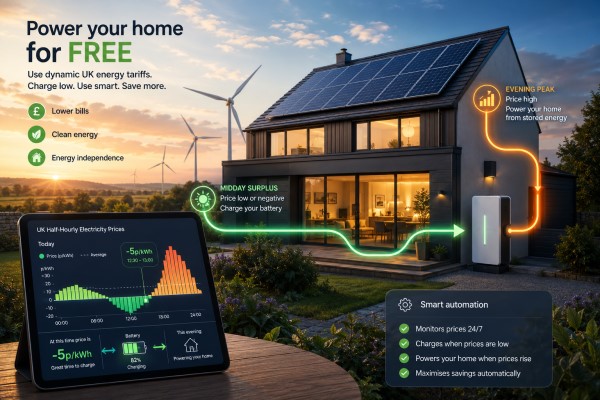
The UK energy market is undergoing a quiet revolution. For years, households were locked into rigid fixed tariffs or exposed to the volatile price caps of standard variable rates. Today, the rise of smart meters and dynamic time of use tariffs has completely transformed how we buy electricity. These agile tariffs track wholesale energy prices which fluctuate every half hour based on supply and demand.
While these fluctuations might sound unpredictable, they actually represent an unprecedented opportunity. When wind generation spikes in the North Sea or solar output peaks across the country, wholesale prices drop drastically. In fact, they regularly plunge below zero. By understanding how to capture this cheap or even negative priced electricity, UK homeowners can effectively power their households for free.
The Reality of Negative Pricing in the UK
To understand how to get free energy, you must first understand why suppliers would give electricity away. The UK national grid operates on a strict balance. When renewable energy generation exceeds the current demand of the country, the grid becomes oversupplied. Because storing excess industrial energy at a national grid level is highly complex, utilities choose to incentivize consumers to drain the surplus.
During these periods of negative pricing, you are literally paid to consume electricity. Data from innovative providers like Octopus Energy shows that these plunge pricing events are becoming more frequent. Throughout spring and summer, it is common to see several hours where electricity prices drop to zero or negative figures per kilowatt hour. If you can shift your heaviest household energy usage into these precise windows, your power bills plunge toward nothing.
The Peak Hour Dilemma
The obstacle for most families is timing. The cheapest energy typically occurs in the early hours of the morning or during the middle of a sunny weekday. Unfortunately, these are not the times when the average UK household needs power. Most families consume the majority of their electricity during the peak hours of four in the afternoon until seven in the evening. This is precisely when dynamic tariffs skyrocket to their highest premium rates because everyone is cooking, washing, and heating their homes simultaneously.
Running your washing machine at three in the morning to save a few pennies is simply not a sustainable lifestyle. This mismatch between when energy is cheap and when it is actually needed creates a major pain point for consumers trying to lower their living expenses.
Bridging the Gap with Intelligent Automation
To successfully bridge this gap, your home requires two things: physical energy storage and the digital intelligence to automate decisions. Relying on manual scheduling via phone apps is too labor intensive and prone to human error. This is where advanced AI native energy infrastructure becomes essential.
Modern plug and play storage systems, such as the Conow Lyra 2500 Pro, offer a seamless solution to this daily logistical challenge. Boasting a substantial storage capacity of two point fifty six kilowatt hours, this system acts as a personal energy reservoir for your home. Instead of requiring complicated professional installation or heavy electrical rewriting, these modular systems connect effortlessly to your existing household network.
The real magic happens when storage hardware is paired with cloud level intelligence. Equipped with sophisticated energy management platforms, these intelligent systems monitor dynamic UK tariffs in real time. The built in software automatically tracks the upcoming half hourly pricing schedules. When a plunge pricing event or ultra cheap overnight window is detected, the system automatically instructs the battery to charge from the grid.
Generating True Autonomy
Once your storage unit is filled with free or negative cost electricity, you can deploy it strategically. When the expensive peak window arrives in the evening, the automation platform shifts your home consumption away from the grid. Your lights, entertainment systems, and essential appliances run directly off the stored energy you acquired for nothing earlier in the day.
Furthermore, if your property has balcony solar panels or a traditional rooftop solar installation, the system maximizes your savings even further. It utilizes advanced weather forecasting to predict exactly how much solar generation your home will produce. If it forecasts a rainy day ahead, it relies more heavily on cheap grid charging. If a bright afternoon is expected, it saves battery capacity to capture your free solar generation. This continuous optimization happens completely in the background without any daily effort from the homeowner.
Scalability and Future Proofing
Every UK household has different energy demands. A small flat will have vastly different consumption patterns than a detached family home. This is why flexibility in home energy hardware is critical.
The underlying technology behind advanced systems allows for easy wireless parallel scaling. For instance, you can start with a single unit to cover your baseline evening appliances and gradually expand your storage as your household needs grow. By stacking multiple units together, you can scale your domestic storage capacity up to meet higher demands, protecting your entire home from grid pricing spikes. This modular approach ensures that your initial investment is protected and can evolve alongside changing UK energy policies and smart grid advancements.
Final Thoughts
Achieving zero cost home power is no longer an idealistic dream or a privilege reserved exclusively for those who can afford massive solar arrays. By combining the financial benefits of UK dynamic tariffs with smart, automated battery storage, any household can take total control of their energy destiny. The key is shifting from isolated, passive hardware to an intelligent, self optimizing autonomous network. Investing in smart storage allows you to outsmart the energy market, slash your carbon footprint, and enjoy the financial relief of free electricity.