Teacher Performance Assessment: A Complete Guide to Improving Teaching Quality
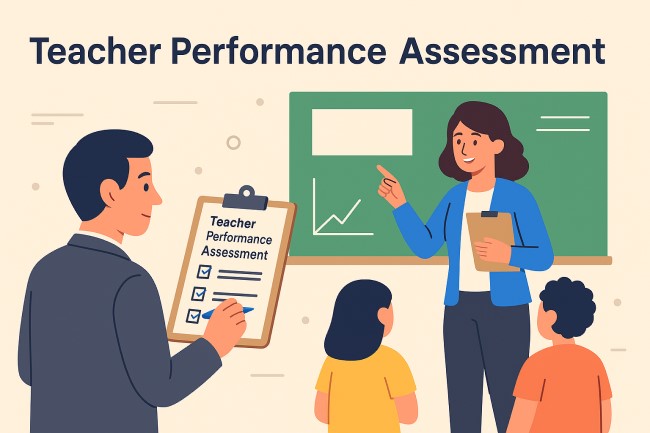
Teacher performance assessment is a structured process used to evaluate the effectiveness, skills, and professional behaviour of teachers in the classroom. It focuses on how well a teacher plans lessons, delivers instruction, manages classrooms, engages students, and assesses learning outcomes. With growing expectations for high-quality education, schools and institutions rely on performance assessments to ensure teachers meet professional standards and continuously improve.
This process is essential not only for identifying strengths but also for diagnosing gaps that need professional development. Many educational systems worldwide now use teacher performance assessment as a central tool for certification, promotion, teacher training, and school improvement initiatives. It answers the key question: “What is teacher performance assessment and how does it enhance teaching quality?”
Why Teacher Performance Assessment Matters
Enhancing Teaching Effectiveness
The foundation of student achievement lies in effective teaching. Teacher performance assessment helps determine whether teachers are applying strategies that promote learning, critical thinking, and student engagement. By evaluating planning, delivery, and student outcomes, schools ensure teaching meets modern educational standards.
Supporting Professional Growth
Assessments are not just about evaluation—they guide teachers toward continuous improvement. The feedback provided helps teachers understand their strengths and identify areas needing improvement. This leads to better instructional practices, improved content delivery, and innovative teaching methods.
Ensuring Accountability in Education
In today’s competitive academic environment, schools must maintain high educational standards. Teacher performance assessments serve as accountability tools that ensure teachers are fulfilling their responsibilities with professionalism, preparation, and passion.
Key Components of Teacher Performance Assessment
Lesson Planning and Preparation
Effective teaching begins with strong planning. Teacher performance assessment evaluates whether the teacher:
-
Designs structured and meaningful lesson plans
-
Aligns learning objectives with curriculum standards
-
Prepares age-appropriate instructional materials
-
Integrates technology and creative teaching tools
A well-prepared teacher sets the stage for successful learning outcomes.
Classroom Instruction and Delivery
During observations, assessors focus on how a teacher delivers content. This includes:
-
Clarity of explanation
-
Teaching strategies used
-
Ability to motivate and engage students
-
Adaptation for diverse learning needs
High-quality instruction ensures every student understands, participates, and progresses.
Classroom Management Skills
A teacher’s ability to maintain discipline and order directly affects learning. Assessment criteria include:
-
Creating a positive and respectful environment
-
Managing behavioural issues effectively
-
Establishing routines and expectations
-
Promoting student cooperation and focus
Classroom management reflects a teacher’s leadership skills and emotional intelligence.
Student Assessment and Feedback
Teachers are evaluated on how well they:
-
Use assessments to measure student learning
-
Provide timely and constructive feedback
-
Modify teaching strategies based on student results
-
Track individual student progress
Assessing learning is crucial for improving teaching outcomes and supporting student development.
Professional Responsibilities
Teacher performance assessment also considers professionalism, such as:
-
Collaboration with colleagues
-
Participation in school activities
-
Ethical behaviour and communication skills
-
Engagement in training and professional development
A great teacher contributes to the growth of the entire school community.
Methods Used in Teacher Performance Assessment
Classroom Observations
This is the most common method. A supervisor or evaluator observes the teacher’s class to note instructional quality, behaviour management, student engagement, and teaching style.
Teacher Portfolios
Teachers submit evidence of their work, including:
-
Lesson plans
-
Assessment strategies
-
Samples of student work
-
Reflective journals
Portfolios provide a deep insight into a teacher’s thought process and planning abilities.
Self-Assessment
Teachers reflect on their own performance. This encourages:
-
Honest evaluation
-
Professional accountability
-
Goal setting
-
Awareness of strengths and weaknesses
Student or Parent Feedback
Feedback from students or parents highlights the teacher’s communication, support, and overall impact on learning.
Benefits of Teacher Performance Assessment
Improved Teaching Quality
Performance assessment raises the overall standards of teaching by encouraging teachers to refine their instructional practices.
Better Student Outcomes
When teachers improve, students learn better. Effective teaching leads to higher academic performance, stronger motivation, and better classroom engagement.
Professional Development Opportunities
Schools can identify training needs and provide workshops, coaching, and support based on assessment results.
Enhanced School Productivity
When teachers perform well, the entire school benefits through better learning environments, improved reputation, and academic success.
Challenges in Teacher Performance Assessment
Time and Resource Demands
Assessing teachers requires trained evaluators, classroom observations, and detailed scoring—often time-consuming for schools.
Potential Bias in Observations
If not properly structured, assessments may be influenced by personal bias. Clear rubrics and trained evaluators help reduce this risk.
Stress and Pressure on Teachers
Some teachers may feel anxious during assessments. Supportive, growth-focused evaluation methods help minimise stress.
Best Practices for Effective Teacher Performance Assessment
Use Multiple Assessment Methods
Combining observations, portfolios, feedback, and self-assessment ensures a fair and well-rounded evaluation.
Provide Constructive Feedback
Feedback should be actionable, supportive, and designed to help teachers improve—not discourage them.
Align Assessment with Clear Standards
Well-defined performance standards support consistency and fairness.
Encourage Continuous Professional Growth
Assessments should promote learning, collaboration, and innovation among teachers.
Conclusion
Teacher performance assessment plays a vital role in modern education systems. It helps measure teaching effectiveness, improve instructional quality, strengthen classroom management, and support professional development. By using structured criteria and multiple evaluation methods, schools ensure that teachers can meet the diverse needs of students while maintaining high educational standards. Understanding what is teacher performance assessment allows educators, administrators, and students to appreciate its value in shaping better teaching and learning experiences.