Turning Old Photos Into New Stories: AI Tools That Bring Memories to Life
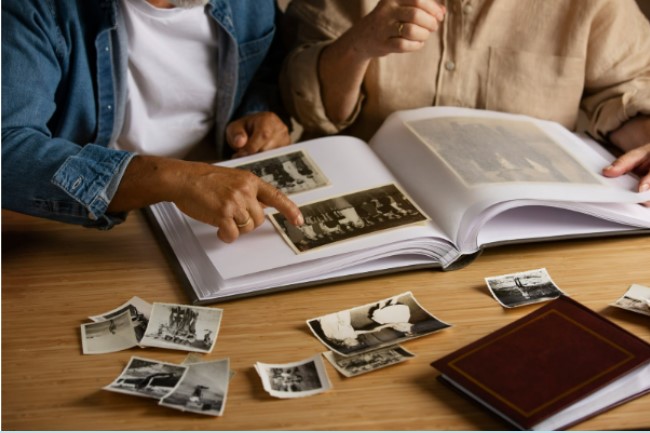
Family albums, printed photos, and dusty frames have long served as the keepers of our personal history. These images capture moments that define who we are, where we came from, and the people who shaped our journeys. But many of these photos remain static, frozen in time. As technology evolves, creators and everyday users alike are discovering new ways to bring these memories back to life through artificial intelligence. Instead of sitting untouched in albums, old photos are being transformed into dynamic, emotionally rich videos.
AI powered animation tools make this possible by converting still images into expressive, motion filled clips. These tools revive facial expressions, add subtle gestures, and create lifelike movement that reconnects people with moments that once felt distant. The result is a fresh way to experience nostalgia and share family history with younger generations who live in a visually dynamic world. Understanding how this technology works and why it resonates reveals why animated memories are becoming such a popular trend.
Why do people want to bring old photos to life?
People want to animate old photos because movement creates emotional closeness, strengthens memory recall, and makes personal history feel more relatable for younger audiences.
Static images preserve moments, but they lack the energy and expression that once defined them. Seeing a loved one smile, blink, tilt their head, or express emotion triggers a stronger psychological response than viewing a still photo. Research from the Association for Psychological Science shows that dynamic visuals activate emotional memory centers up to 55 percent more effectively than static images.
For many families, old photos represent relatives who have passed away or moments that younger generations never experienced. When those photos move, they create a powerful bridge between the past and present. Children and grandchildren can see ancestors as real people rather than distant figures.
Animation also helps people reconnect with forgotten memories. Movement recontextualizes images and makes them feel like short scenes from a story rather than isolated snapshots. This emotional impact explains why AI animated photos often go viral on social media, especially when tied to meaningful family stories.
How does AI turn a still photo into a moving, expressive video?
AI uses facial mapping, motion modeling, and animation algorithms to analyze static images and apply natural movement patterns that look lifelike and expressive.
The process begins with facial detection. The AI identifies key structural points on the face such as the eyes, nose, mouth, and jawline. Modern models detect as many as 100 individual landmarks, enabling precise movement that matches real human expression. Once the structure is mapped, the AI predicts how these features would move in a real video.
Motion transfer then applies predefined or reference animations to the still image. For example, the AI might use a video of someone turning their head, smiling, or reacting emotionally. It blends this motion into the static photo while maintaining the original identity and proportions.
Advanced AI systems also adjust lighting, shading, and perspective to keep the animation natural. This avoids the uncanny effect that older deepfake style tools sometimes produced. The end result is a short video where the subject appears alive, expressive, and connected to the viewer.
This technique is the same foundation used by modern content creation tools that allow creators to animate characters, avatars, or brand visuals quickly and without technical training.
What makes AI animated photos so emotionally powerful?
AI animated photos evoke strong emotions because they restore subtle human expressions and movements that the brain instinctively recognizes as signs of life.
Humans are highly attuned to micro expressions. Even small actions like eye movement, a slight smile, or a tilt of the head influence how we connect with others. Animated photos recreate these cues, making the person in the image feel more present. This triggers a sense of closeness that static photos cannot fully achieve.
A study from the University of Chicago found that emotional connection increases dramatically when viewers see faces showing realistic motion rather than still expressions. Motion humanizes the subject and reinforces empathy. For families revisiting old photos, this experience can be deeply meaningful.
The element of surprise also plays a role. When a long forgotten photo suddenly moves, people often experience a rush of nostalgia and curiosity. It feels as though the memory is unfolding in real time. This combination of emotion and novelty strengthens engagement and fuels the growing popularity of animated memories.
How are modern AI tools helping people animate their old photos?
Modern AI tools provide user friendly platforms that allow anyone to animate old photos without technical expertise, making the process accessible and emotionally rewarding.
Many AI platforms now offer simple upload and animate features. Users select a photo, choose a motion style, and let the AI generate a video. These tools often include customizable templates, emotional gestures, or storytelling movements. Some tools are designed specifically for family history, while others support creative content production.
Creators who want to repurpose old photos for storytelling, documentaries, or short form content use AI animation to give historical moments a modern feel. Families use animation to create tribute videos, celebrate milestones, or reconnect with generational memories. Businesses also use animated photos to highlight their heritage or corporate history in a more engaging way.
In the middle of this growing trend, platforms such as image to video ai by Viggle AI allow users to turn old photos into expressive, motion rich videos. With motion transfer and animation capabilities, Viggle AI helps people bring their memories to life in a way that feels natural and emotionally significant. The simplicity of these tools is driving widespread adoption among both creators and everyday users.
What role does animated photo content play in modern storytelling?
Animated photos enhance modern storytelling by adding emotional depth, visual interest, and narrative flow that static images alone cannot provide.
Stories told through photo albums or slideshows were once powerful but limited in dynamic expression. Animated photos fill this gap. They allow people to recreate scenes that feel more alive and immersive. Whether used in documentaries, social media narratives, or personal archives, animated photos add richness and clarity to the story.
This approach also appeals to younger generations who are used to video based storytelling. Platforms like TikTok and Instagram integrate animated visuals more seamlessly than static slides. Viewers engage longer and respond more positively to dynamic images. A report from Meta found that moving visuals improve engagement by up to 25 percent over static content in feed based placements.
Storytelling is not only about factual representation. It is about emotional resonance. Animated photos offer creators a tool that blends historical authenticity with modern expressiveness, making stories more compelling across all formats.
What does the future of animated memories look like?
The future of animated memories will involve more realistic motion, interactive experiences, and deeper integration with AI powered storytelling tools.
As AI models improve, animated photos will become even more lifelike. Future systems may allow users to control movement, change expressions, or animate full body scenes based on text prompts. Families may soon create short films starring historical relatives based solely on old photos.
Interactive formats will also grow. Viewers may be able to pause animations, explore scenes, or switch between motion styles. AI could eventually piece together multiple photos from an album to create longer narrative sequences that feel cohesive and immersive.
The rising interest in digital archiving means that animated memories will play a larger role in preserving personal history. What once stayed in physical albums may now be transformed into living stories that future generations can connect with emotionally.
Conclusion
AI powered animation tools are transforming how people experience old photos by bringing static memories back to life with expressive, natural movement. These animated images strengthen emotional connection, enhance storytelling, and help families preserve history in a format that resonates with today’s audiences. Thanks to solutions like image to video ai by Viggle AI, anyone can turn cherished photos into dynamic, meaningful videos that feel alive and personal. As this technology continues to advance, animated memories will become an integral part of how we revisit the past and share it with future generations.