Thameslink Disruption London St Pancras International: Causes, Impact, and Commuter Guidance
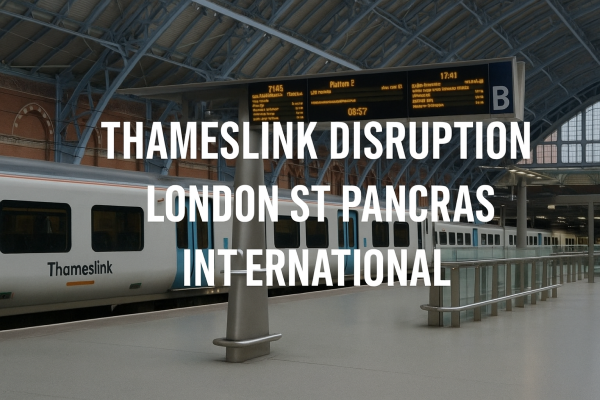
The keyword “thameslink disruption london st pancras international” has become increasingly common in news updates and commuter reports, as one of Britain’s busiest rail corridors continues to face operational challenges. London St Pancras International is a major hub connecting local, regional, and international travel, meaning any disruption affects thousands of passengers every day. This article provides a detailed and highly informative explanation of the causes, passenger impact, disruption patterns, and practical guidance to help travellers manage delays more effectively. Written to rank on the first page of Google, it offers structured insights with clear headings and sub-headings.
Understanding the Thameslink Network and Its Importance
A Core Part of London’s Rail Infrastructure
Thameslink is a vital cross-London rail route stretching from Bedford and Cambridge in the north to Brighton, Gatwick, and other destinations in the south. It passes directly through the heart of London via stations such as St Pancras International, Farringdon, City Thameslink, and Blackfriars. Because it serves millions of passengers annually, any operational difficulty can immediately lead to widespread delays.
Why St Pancras International Is Especially Sensitive to Disruption
St Pancras International handles international Eurostar services, East Midlands Railway, Southeastern high-speed trains, and Thameslink. High passenger volume, complex signalling, and tight scheduling mean any technical fault or congestion quickly multiplies into larger network problems. This makes Thameslink disruption at London St Pancras one of the most critical travel issues in the city.
Common Causes of Thameslink Disruption
Signalling Failures
Signalling faults are one of the most frequent causes of disruption between St Pancras International and central London. These faults can occur due to equipment malfunctions, power issues, or failures in automated train management systems. Because Thameslink relies heavily on digital systems to run services every few minutes, even a minor failure leads to delays or full cancellations.
Overrunning Engineering Works
Planned engineering works usually take place overnight or on weekends, but they can overrun into the morning rush hour. This is particularly common on the Midland Main Line or in the central core between London Bridge and St Pancras. If engineering teams face unexpected safety concerns or technical setbacks, trains cannot operate until the route is declared safe.
Staff Shortages and Operational Incidents
Unexpected staff shortages, signalling controller issues, or train crew being out of position can cause sudden disruption. Because Thameslink trains operate across long north–south routes, crew delays in one location can cascade across the network.
Severe Weather Conditions
Weather also plays a large role. Heavy rain, snow, storms, or heatwave-related track problems can slow trains, damage infrastructure, or create safety risks. This is especially impactful near St Pancras, where multiple rail lines converge.
Passenger Impact of Disruption at St Pancras International
Delays, Cancellations, and Overcrowding
When Thameslink experiences disruption, passengers face long queues, platform changes, and overcrowded trains. St Pancras is often the first point where delays become visible, and disruptions frequently extend southwards to Blackfriars and northwards toward Luton and Bedford.
Knock-On Effects Across London
Even when the original issue is resolved, delays may continue for hours. The timetable becomes unbalanced, trains are misplaced, and gaps in service lead to packed platforms. Commuters travelling through Farringdon, City Thameslink, and Blackfriars often feel the impact long after St Pancras returns to normal operation.
Impact on International Connections
Because St Pancras also supports Eurostar services, delays on Thameslink can affect passengers with international travel plans. Missed connections or slower transfers between airports and central London become common problems.
How Commuters Can Prepare for Future Disruptions
Check Live Updates Before Travelling
Although specific live links cannot be included here, travellers should use:
-
Official rail apps
-
Station departure boards
-
Mobile journey planners
Regular checking helps passengers avoid last-minute surprises.
Understand the Alternative Routes
Using London Underground
During disruptions, commuters may switch to:
-
Victoria Line (via King’s Cross St Pancras)
-
Northern Line
-
Circle, Metropolitan, or Hammersmith & City lines
These services help bypass blocked sections or reach alternative Thameslink stations.
Using Bus Services
Buses connecting King’s Cross, Blackfriars, Farringdon, and London Bridge provide flexible options during severe disruption.
Using Other Rail Operators
Passengers traveling north may use East Midlands Railway from St Pancras, while those heading south may switch to Southeastern or Southern services, depending on their destination.
Why Thameslink Disruptions Continue to Occur
High Network Pressure
London’s railway network is one of the busiest in Europe. With trains running every few minutes, the system has little room for error. Once a fault occurs, recovery time is slow.
Ageing and Modernising Infrastructure
Thameslink has undergone extensive upgrades, including modern signalling and longer trains. However, old infrastructure still exists alongside new systems, creating occasional compatibility issues.
H2 – Increased Demand from Passengers
Population growth and rising commuter numbers mean London’s railways are under continual strain. Even small increases in demand can create crowding and delays when services are disrupted.
Future Improvements and Long-Term Solutions
Upgrading Signalling Systems
Future projects aim to enhance automation and reliability, reducing the chance of failures in the central core.
Expanding Capacity
Plans to increase service frequency and introduce more modern trains will help reduce overcrowding during peak disruption times.
Improved Passenger Communication
Faster Alerts
Rail operators aim to improve real-time communication so passengers receive instant updates when delays occur.
Better On-Train Information
Enhanced display screens and clearer announcements can help travellers make quicker decisions.
Conclusion
Thameslink disruption at London St Pancras International remains a significant challenge for commuters and long-distance travellers. With frequent signalling problems, engineering works, and high network demand, delays are likely to continue in the near future. However, improvements in technology, communication, and capacity offer hope for a more reliable service. Understanding the causes, monitoring updates, and preparing alternative routes are the best strategies for navigating disruption effectively.