Pollock Fish UK: Everything You Need to Know About This Popular British Catch
The pollock fish UK population is an integral part of the nation’s marine ecosystem and seafood industry. Known for its delicate flavor and versatility, pollock is often seen as a sustainable alternative to cod and haddock. However, beyond its popularity on dinner plates, this fish holds significant ecological and economic importance. In this article, we’ll explore the species’ biology, habitat, uses, sustainability, and why it remains one of the UK’s most talked-about fish.
Understanding Pollock Fish in the UK
What Is Pollock?
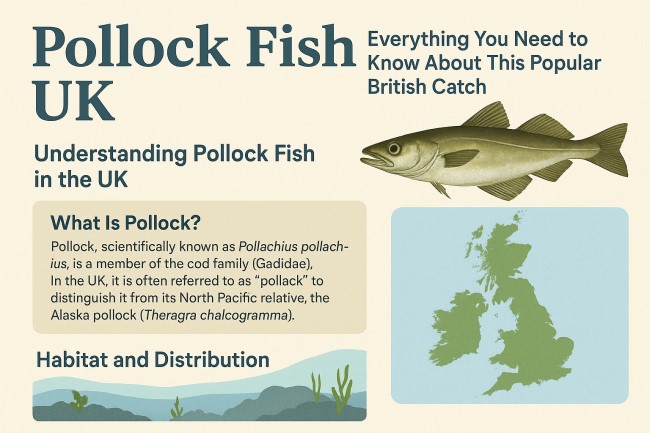
Pollock, scientifically known as Pollachius pollachius, is a member of the cod family (Gadidae). In the UK, it is often referred to as “pollack” to distinguish it from its North Pacific relative, the Alaska pollock (Theragra chalcogramma). The European pollock can grow up to one meter in length and weigh as much as 20 kilograms, making it one of the larger fish in UK coastal waters.
Pollock has a firm white flesh, mild taste, and is rich in protein, making it a staple in British cuisine. It is used in various dishes, from traditional fish and chips to grilled fillets and seafood pies.
Habitat and Distribution
Where Pollock Lives
Pollock are found throughout UK and Irish waters, particularly along the Atlantic coast. They prefer rocky bottoms, kelp forests, reefs, and underwater wrecks where they can hunt smaller fish and crustaceans. Juvenile pollock are usually found in shallow coastal areas, while adults tend to move to deeper waters as they mature.
They thrive in cooler waters and are commonly found from the North Sea down to the English Channel. Their adaptability allows them to inhabit a variety of marine environments, making them accessible to both commercial fisheries and recreational anglers.
Biology and Behavior
Physical Characteristics
Pollock have a distinctive appearance that sets them apart from cod. They possess a greenish-brown back, lighter silver sides, and a characteristic under-bite, where the lower jaw slightly protrudes. A faint lateral line runs along the side of the body, curving above the pectoral fin—a useful feature for identifying the species.
Diet and Feeding Habits
Pollock are predatory fish that feed on small fish such as sand eels, sprats, and herring. They also consume crustaceans and squid. Their feeding behavior makes them fast swimmers and powerful hunters, often forming shoals around underwater structures or reefs.
Life Cycle
Pollock reach maturity between two to four years of age. Spawning usually occurs during early spring, where females can release millions of eggs into open water. After hatching, larvae drift with ocean currents before settling into coastal habitats as juveniles. Their lifespan can reach up to 15 years in the wild.
Pollock Fishing in the UK
Commercial Fishing
Pollock is a valuable fish for the UK’s commercial fishing industry. Although cod has historically dominated the market, pollock is increasingly favored for its sustainability and affordability. Commercial fishermen catch pollock using trawling, gillnets, and hook-and-line methods.
However, not all fishing methods are equally sustainable. Handlining and hook-and-line techniques are considered environmentally friendly because they reduce bycatch and avoid damaging seabed habitats.
Recreational Angling
Recreational anglers in the UK also prize pollock for its strength and fighting ability. It is one of the most sought-after species for shore and boat fishing, especially around Scotland, Cornwall, and Wales. Pollock can be caught using lures, feathers, or live bait near rocky marks, wrecks, and reefs.
Pollock as Food
Taste and Texture
Pollock has a mild, slightly sweet flavor with a flaky white texture similar to cod. Its versatility makes it suitable for various cooking methods, including grilling, baking, frying, or steaming. Because of its low fat content and high protein value, it is also a healthy option for those seeking nutritious seafood.
Common Culinary Uses
-
Fish and Chips Alternative: Pollock is often used as a substitute for cod in the UK’s classic dish.
-
Seafood Pies and Chowders: Its firm texture holds up well in creamy sauces.
-
Smoked or Breaded: It can be smoked or coated with breadcrumbs for a crispy finish.
-
Frozen Products: Much of the pollock available in supermarkets is sold as frozen fillets, fish fingers, or portions.
Sustainability and Environmental Impact
The State of Pollock Stocks
While pollock is often promoted as a sustainable fish, the reality depends on where and how it is caught. Some regional stocks, particularly in the English Channel and Celtic Seas, have experienced overfishing in recent years. Conservation groups have called for stricter catch limits and improved monitoring to protect the species.
Sustainable Fishing Methods
-
Hook-and-Line Fishing: The most sustainable method, causing minimal damage to habitats.
-
Trawling Restrictions: Trawling should be limited in sensitive areas like coral reefs or kelp forests.
-
Seasonal Closures: Temporarily halting fishing during spawning seasons helps replenish stocks.
Consumers can make a difference by purchasing pollock that is responsibly sourced, ideally from certified sustainable fisheries.
Economic Importance
Pollock contributes significantly to the UK’s seafood market. It is a major export product and a popular choice among consumers seeking affordable white fish. Its lower cost compared to cod and haddock has helped it gain popularity in supermarkets and restaurants alike.
Fisheries and coastal communities benefit economically from pollock fishing, especially in Scotland and the southwest of England. As sustainability becomes more important, pollock’s role in the market is expected to grow further.
Pollock and Conservation Efforts
Efforts to manage pollock stocks responsibly include government regulations, fishing quotas, and scientific assessments. Organizations monitor population trends to ensure the species remains abundant for future generations. Educating fishermen and consumers about sustainable choices is also key to maintaining healthy marine ecosystems.
Health Benefits of Pollock
Pollock is not only delicious but also highly nutritious. It is rich in protein, vitamin B12, and omega-3 fatty acids, which contribute to heart health and brain function. Its low-fat content makes it an excellent option for those looking to maintain a balanced diet.
Key Nutritional Values (per 100g):
-
Calories: ~90
-
Protein: 19g
-
Fat: 1g
-
Omega-3 fatty acids: 0.4g
These attributes make pollock an excellent alternative to other white fish, offering both taste and health benefits.
Conclusion
The pollock fish UK population represents more than just a seafood option—it’s a symbol of sustainable fishing and environmental responsibility. Found in the rocky waters surrounding the British Isles, this versatile fish supports local economies and offers a healthy choice for consumers.
As awareness grows about overfishing and sustainability, pollock’s popularity continues to rise. By choosing responsibly sourced pollock, Britons can enjoy delicious seafood while helping protect marine biodiversity. Pollock is not only a staple of the sea—it’s a promise for the future of sustainable fishing in the UK.