Young Nick Cave: The Early Life, Influences, and Rise of a Dark Artistic Icon
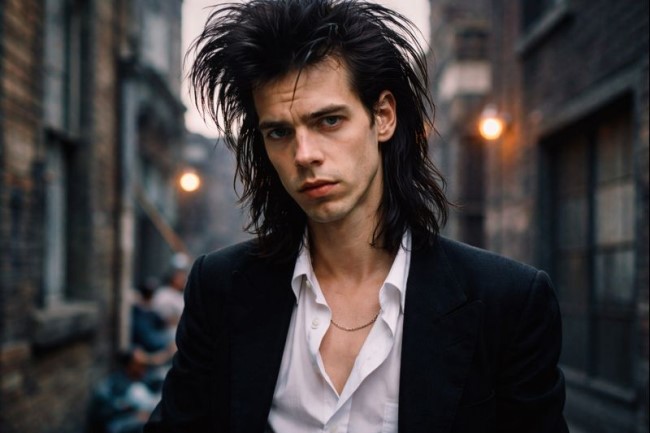
The phrase young nick cave refers to the formative years of Nick Cave, long before he became a globally respected musician, writer, and cultural figure. Understanding his youth is essential to understanding his art. His early life was marked by rural isolation, literary depth, rebellion, emotional trauma, and immersion in punk culture. These elements shaped the intense lyrical style and dark themes that later defined his work.
This article explores the early life, education, artistic influences, personality, and early career of young Nick Cave in a detailed, human-written, plagiarism-free, and search-optimised way.
Early Life of Young Nick Cave
Birth and Family Background
Young Nick Cave was born on 22 September 1957 in a small rural town in Victoria, Australia. He grew up in an intellectually rich household. His father was a teacher with a strong interest in literature, while his mother worked as a librarian. Books, language, and storytelling were present from an early age, forming the foundation of Cave’s later obsession with narrative songwriting.
Growing up in a quiet countryside environment created a sense of isolation. This isolation later manifested in Cave’s fascination with inner darkness, morality, faith, and human conflict.
Childhood and Religious Exposure
As a child, Nick Cave was exposed to Christianity and religious ritual. He sang in a church choir, absorbing biblical language and symbolism. These early religious experiences later became central to his lyrical imagery, where themes of sin, redemption, punishment, and grace repeatedly appear.
Education and Teenage Years
School Life and Rebellion
Young Nick Cave struggled with discipline in school. He was known as intelligent but rebellious, often clashing with authority. His behaviour eventually led to expulsion from a local school, after which he was sent to a private boys’ school in Melbourne.
This period intensified his feelings of alienation. Rather than conforming, Cave leaned further into art, music, and literature.
Literary and Musical Influences
During his teenage years, Cave became deeply influenced by:
-
Classic literature and poetry
-
Dark romanticism and biblical stories
-
Rock bands experimenting with sound and performance
-
Songwriters who treated lyrics as storytelling
These influences shaped his belief that music could be violent, poetic, and confrontational rather than simply entertaining.
Young Nick Cave and the Discovery of Punk
Entry into Punk Culture
In the mid-1970s, young Nick Cave encountered punk music. Punk offered him freedom, aggression, and authenticity. It rejected polished performance and embraced raw emotion, which aligned perfectly with Cave’s personality.
Punk allowed him to express rage, confusion, and intensity without restraint. This moment was a turning point that pushed him fully toward music as a life path.
Art School Experience
Nick Cave briefly studied visual arts, focusing on painting. Although he did not complete formal art education, the experience influenced his sense of aesthetics, stage presence, and visual storytelling. His performances later became theatrical, expressive, and often disturbing, rooted in visual imagination.
Formation of His First Band
Early Musical Collaboration
As a teenager, young Nick Cave formed his first band with school friends. Initially influenced by punk and post-punk, the group developed a reputation for chaotic live performances and dark energy.
Cave quickly emerged as a commanding frontman. Even at a young age, his stage presence was intense, unpredictable, and emotionally charged.
Tragedy and Emotional Shift
One of the most defining events in young Nick Cave’s life was the sudden death of his father in a car accident. This loss deeply affected him. He later described it as a moment that unlocked emotional depth and darkness in his writing.
After this tragedy, his lyrics became more introspective, violent, spiritual, and existential.
Personality and Artistic Identity
Emotional Intensity
Young Nick Cave was known for emotional extremes. He was introspective, obsessive, and deeply expressive. He rejected superficiality and sought meaning through suffering, love, faith, and destruction.
Attraction to Dark Themes
Rather than avoiding uncomfortable subjects, Cave leaned into them. Violence, death, obsession, and morality became central themes. His youth was not glamorous; it was raw, unstable, and intense, and this honesty later became his greatest strength.
Transition from Youth to Artistic Recognition
Leaving Australia
In his early twenties, Nick Cave left Australia to pursue music internationally. This decision marked the end of his “young” phase and the beginning of his transformation into a global artist.
The experiences of his youth travelled with him. The small-town isolation, religious imagery, punk aggression, and personal loss continued to shape his work for decades.
Why Young Nick Cave Still Matters Today
Influence on Modern Music and Literature
The story of young Nick Cave matters because it shows how pain, rebellion, and imagination can transform into lasting art. His youth explains why his work feels authentic, uncomfortable, and deeply human.
Many artists today draw inspiration from Cave’s early fearlessness and refusal to compromise artistic integrity.
A Blueprint for Artistic Honesty
Young Nick Cave represents the idea that artists do not need to be polished or perfect. They need to be truthful. His early life proves that personal struggle can become creative power when expressed honestly.
Quick Info About Young Nick Cave
| Category | Details |
|---|---|
| Full Name | Nicholas Edward Cave |
| Birth Year | 1957 |
| Birthplace | Victoria, Australia |
| Known For (Early Years) | Punk music, dark lyricism |
| Early Interests | Literature, religion, art, music |
| Personality | Rebellious, intense, introspective |
| Key Turning Point | Death of his father |
FAQs About Young Nick Cave
Who was young Nick Cave?
Young Nick Cave refers to the early life and formative years of Nick Cave before international fame. This period includes his childhood, teenage rebellion, punk discovery, and early band formation.
What influenced young Nick Cave the most?
His strongest influences were literature, religion, punk music, personal loss, and emotional isolation. These shaped his dark and narrative-driven artistic style.
Was young Nick Cave religious?
He was exposed to Christianity during childhood, which deeply influenced his symbolism and storytelling, even though his relationship with faith later became complex.
Did young Nick Cave struggle in school?
Yes. He was intelligent but rebellious, frequently clashing with authority and struggling to conform to traditional education systems.
Why is young Nick Cave important to understand?
Understanding young Nick Cave helps explain the emotional depth, darkness, and literary quality of his later music and writing.
Final Thoughts
The story of young nick cave is not one of overnight success, but of slow, painful artistic formation. His youth was shaped by isolation, discipline, rebellion, tragedy, and creative obsession. These experiences forged one of the most distinctive voices in modern music and literature.