Gillian McKeith: The Controversial Nutritionist and TV Personality
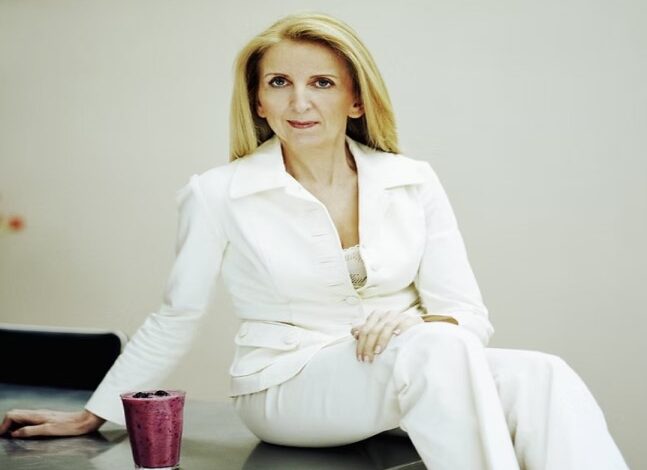
Gillian McKeith is a name that sparks both admiration and criticism in the world of nutrition and health. Known for her direct style, unconventional methods, and television appearances, she has built a career around advising people on how to eat, live, and take charge of their health. At the same time, her credentials and approach have been heavily questioned by medical professionals and scientists. This article explores Gillian McKeith’s life, career, beliefs, controversies, and ongoing influence, providing a detailed look at one of the most polarizing figures in the wellness industry.
Early Life and Education
Childhood and Background
Gillian McKeith was born on 28 September 1959 in Perth, Scotland. Growing up, she developed an interest in food, health, and lifestyle, which later shaped her career choices. Her early environment instilled in her a curiosity about how diet influences well-being.
Academic Journey
McKeith’s educational background is diverse. She earned a Bachelor of Arts in Linguistics from the University of Edinburgh in 1981, followed by a Master’s degree in International Relations from the University of Pennsylvania in 1984. Later, she pursued qualifications in holistic nutrition from the American Holistic College of Nutrition, which eventually became Clayton College of Natural Health. However, this institution was non-accredited, and her doctorate has often been labeled as unrecognized in conventional academia.
Rise to Fame
You Are What You Eat
McKeith rose to prominence with her television show “You Are What You Eat”, which aired on Channel 4 in the early 2000s. The program focused on transforming participants’ diets, analyzing their eating habits, and presenting sometimes shocking evidence of unhealthy lifestyles. A distinctive feature of the show was her use of stool analysis and direct criticism, which earned her a reputation for being blunt and unapologetic.
Writing Career
Alongside her TV career, McKeith became a successful author. Her books, including You Are What You Eat, Food Bible, and Slim for Life, gained popularity among readers looking for simple solutions to improve their diets. These works emphasized cutting out processed foods, embracing natural ingredients, and making gradual lifestyle changes.
Nutritional Philosophy
Holistic Approach
McKeith’s philosophy centers on holistic nutrition—the belief that food impacts not only physical health but also mental and emotional well-being. She often advocates for organic produce, whole grains, seeds, nuts, and plant-based diets.
Opposition to Processed Foods
A consistent theme in her advice is the elimination of processed foods, white sugar, and additives. She has strongly criticized modern eating habits, claiming that refined and artificial products contribute to obesity, fatigue, and disease.
Superfoods and Supplements
McKeith popularized the idea of superfoods long before they became mainstream. She recommended ingredients such as spirulina, wheatgrass, and goji berries as powerful boosters for health. She also promoted supplements, though this part of her work attracted regulatory scrutiny.
Criticisms and Controversies
Questionable Credentials
One of the strongest criticisms directed at Gillian McKeith is her academic background. Since her degree in holistic nutrition came from a non-accredited institution, critics argue that she lacks the scientific training of registered dietitians or medical professionals. This has fueled debate about the validity of her advice.
Pseudoscientific Practices
McKeith has been accused of promoting pseudoscience, especially regarding diagnostic methods such as examining stools, tongues, and urine as indicators of overall health. While she defended these practices, mainstream science dismisses them as unreliable.
Regulatory Issues
In 2006, McKeith faced legal challenges when she marketed herbal remedies with claims that they could treat sexual dysfunction. The UK Medicines and Healthcare products Regulatory Agency ruled that her claims were misleading, leading to the withdrawal of some products.
Public Criticism and Media Backlash
Her confrontational style on television and in interviews made her a controversial public figure. While some viewers appreciated her tough-love approach, others found it humiliating and unprofessional. Critics argued that her methods relied more on shock tactics than sound nutritional science.
Anti-Vaccine Views
During the COVID-19 pandemic, McKeith was criticized for spreading misinformation about vaccines. She suggested that natural nutrition and holistic practices could offer protection, which experts condemned as dangerous.
Influence and Legacy
Positive Contributions
Despite criticism, Gillian McKeith undeniably encouraged many people to rethink their diets. Her emphasis on reducing processed foods and eating more fruits, vegetables, and whole grains aligns with widely accepted nutritional guidelines. Her books and TV programs introduced health conversations to mainstream audiences in an engaging way.
Polarizing Figure
McKeith’s legacy is polarizing. To her supporters, she is a pioneer who made nutrition accessible to everyday people. To her detractors, she represents the dangers of pseudoscience and unverified health claims.
Personal Life
Family and Private Side
McKeith has generally kept her private life away from the spotlight, though she is known to have a family and children. She prefers focusing public attention on her professional message rather than her personal affairs.
Continuing Work
Even after her television peak, McKeith remains active through writing, speaking engagements, and online platforms where she shares her advice. She continues to inspire individuals who resonate with her holistic approach, despite ongoing debates about her credibility.
Lessons from Gillian McKeith’s Career
The Power of Media
Her story shows how television can transform a niche field into mainstream entertainment. McKeith’s bold presentation style captured attention and brought nutrition into living rooms across the world.
The Importance of Credentials
Her controversies also highlight why recognized qualifications and scientific validation are crucial in health-related fields. Audiences increasingly demand transparency and evidence when it comes to wellness advice.
Balancing Inspiration with Evidence
McKeith’s career reminds us that while inspiration can motivate positive change, it should always be balanced with credible, scientifically sound information.
Conclusion
Gillian McKeith remains one of the most debated figures in nutrition and health. She built a successful career by challenging unhealthy lifestyles and promoting holistic practices, but she has also faced sharp criticism for her credentials and unscientific methods. Whether admired as a health pioneer or criticized as a promoter of pseudoscience, McKeith undeniably influenced how millions think about food and well-being. Her career serves as both a source of inspiration and a cautionary tale about the intersection of media, health, and science.